
The latest issue of strat scraps, version 209
Snoring dog strategy

I’ve got some availability opening up.
If you are working on something that matters and need to make sure it seen and remembered, lets talk.
If you are in need a strategy input or guidance, lets talk.
If you want to work together, lets talk.
let’s talk.
/////
The most fulfilled I’ve ever been during my full time career was after causing the loss of a big pitch.
I had been on a hot streak and was winning new biz pitches back to back.
I had just secured the agency’s biggest piece of business to date, then doubled that business after presenting in person to the clients.
On the heels of that, a piece of new business came in and I took a big swing.
I didn’t toss the client brief but I flipped it in a way that aimed to make a boring method of promotion interesting, by applying it in an unlikely place. Not what they were looking for.
But it was my loss to own. I felt real bad for the head of biz dev who lost out on the commission after fighting to free me up to be on the pitch team. And I don’t like losing.
But we lost because of my choices. And that was fulfilling. Because it meant I had the ability to make real choices.
Those choices weren’t going to get a win every time. But there was enough trust present to let those choices be made.
Lower stakes more day to day example of the same idea: The decks I presented had my flavor on them.
there were section headers like this:
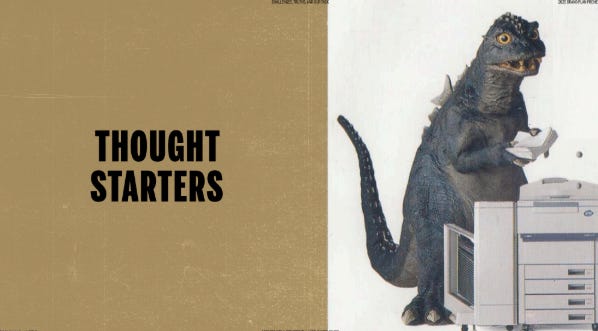
with content like this
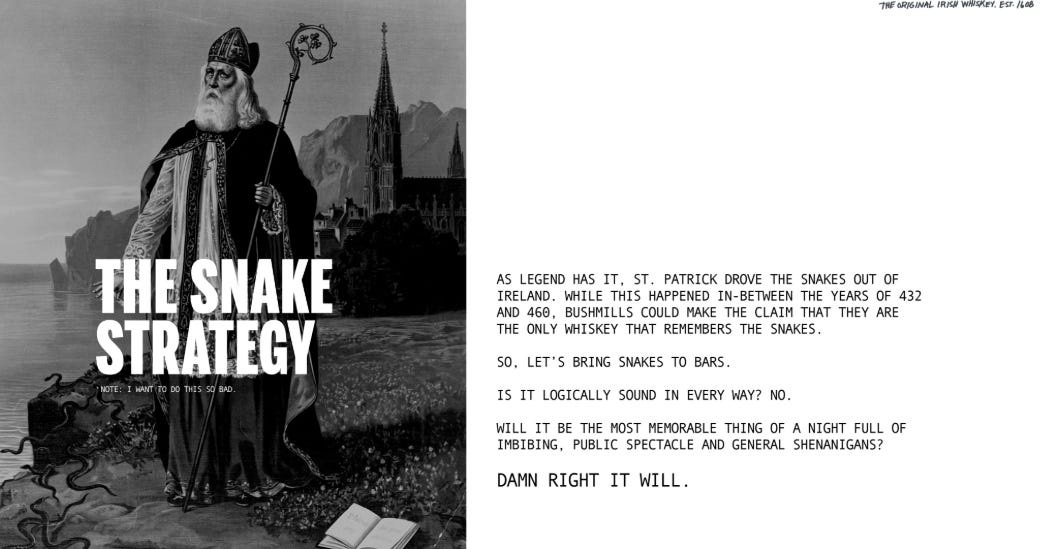
And it was incredibly fulfilling.
I guess the point of this all is that wherever you are, think about career progression or even job satisfaction through the lens of being allowed to swing and miss.
Because when every dept. has a thumbprint on the strategy deck, the losses are always abstract and a result of convolution, rather than a swing for the fences.
The single best way to judge a job is if you are allowed to own thinking and how you are supported when that thinking misses the mark.
////
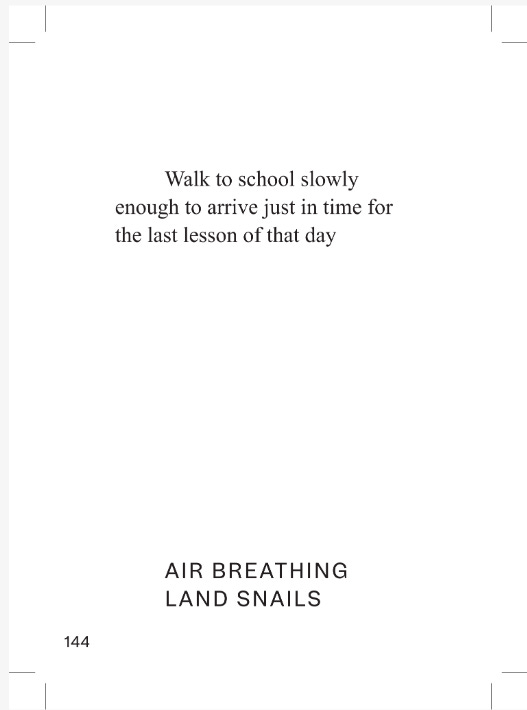
via: learning for people who prefer not to be taught
////
we often think about strategy through the lens of problems.
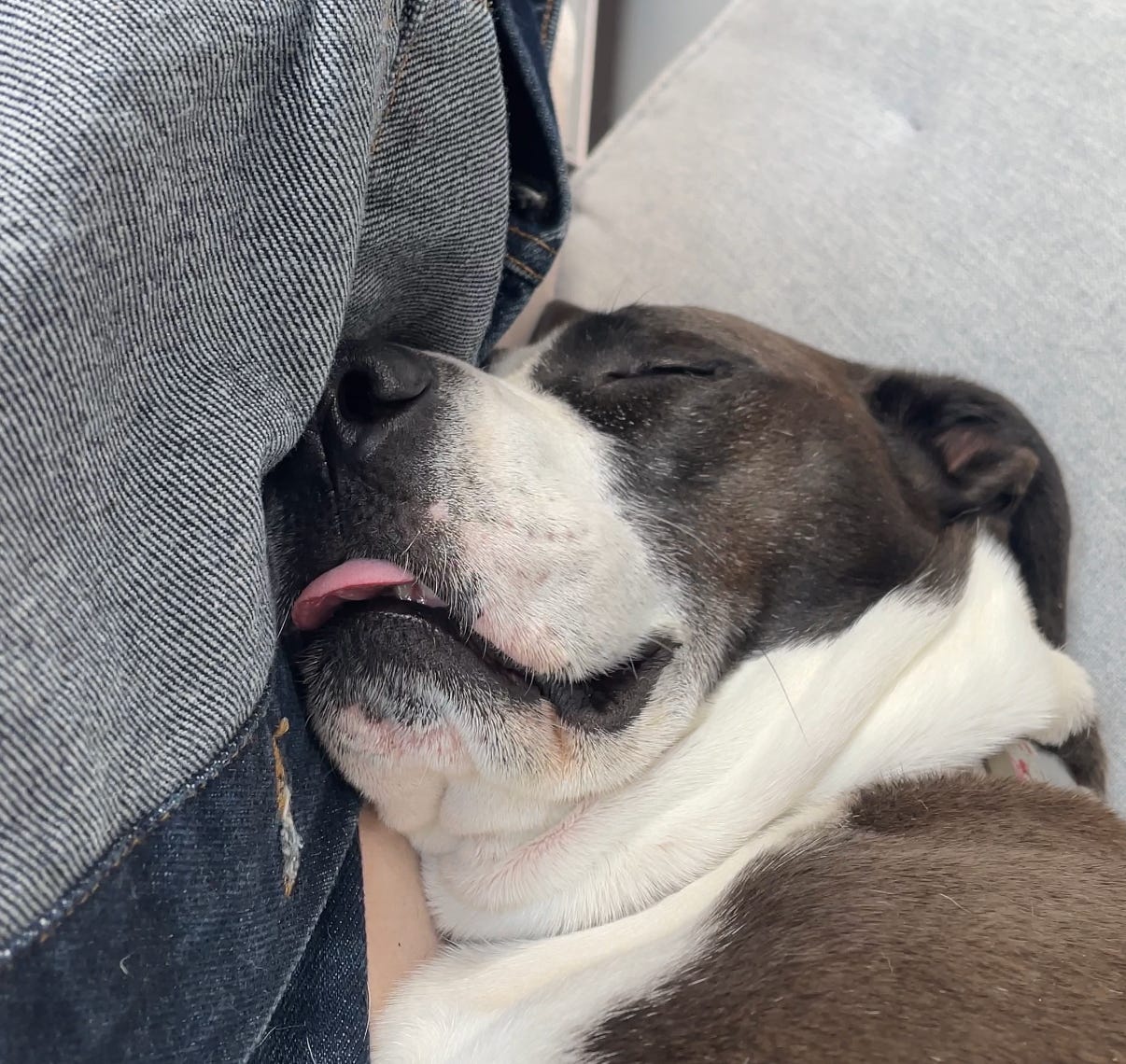
Last night my dog was snoring. that was my problem.
And I realized there were different categories of ways to solve it…
Problem: dog is snoring
Solution: Throw something. temporarily solves the problem.
But I realized I was at the problem reactively. I was trying to fix, when most brand level problems (ideally) are more about trying to look at how to thrive in the face of a problem vs solve it.
(e.g. Problem: southern comfort doesnt do well on premise because of the social pressures that exist in the category… you cant solve those pressures, but you can use them as a way to show southern comfort as a signal of confidence)
So now I was thinking about the problem like this:
Problem: dog snores
Solution… put ear plugs by bed. Doesnt actually solve the problem, but helps me navigate my category landscape.
(can you tell I didn’t sleep well?)
////
While I was laying awake, I was thinking about my role as an independent consultant. I wrote the following:
I’m a guide. Results are better bc I was along for the ride
I’m a technician. I make things more effective
I’m a driver. I’m a partner. I’m a mechanic. I’m embedded outsider. I’m a point of view. I’m an answer.
Does hiring me make things better, faster, or different in a specific way? Or is it more like a flavor? The output or the process? Better to be one of “many” who can do well whats needed or one of a kind who can make things that wouldn’t otherwise be made?
Answer:
/////
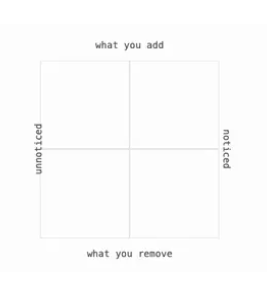
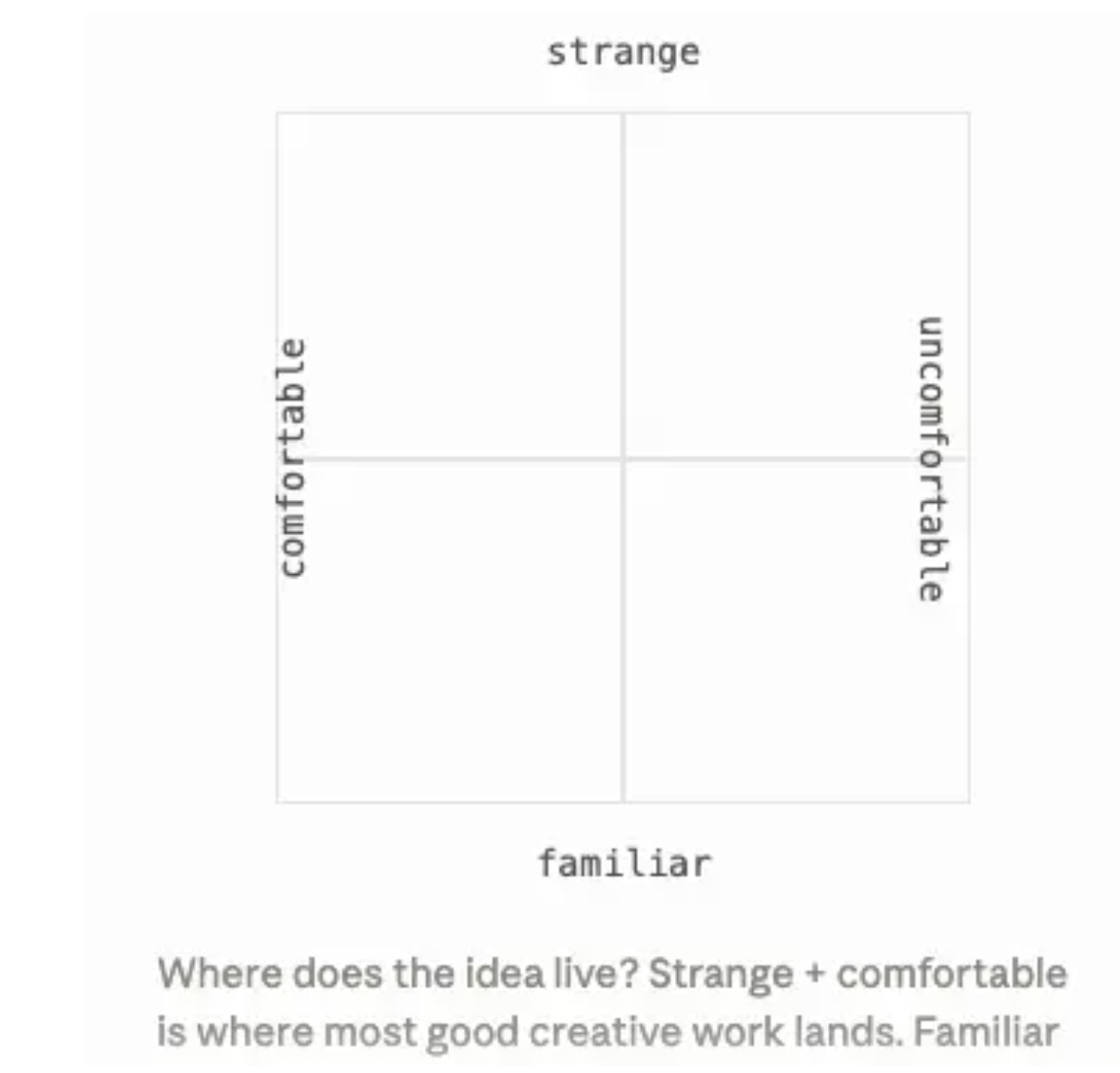
I continue to love 2x2s as thought devices. Here are a few recents;
////
I wonder what is better, [insane but logical] or [calm lunacy]?
////
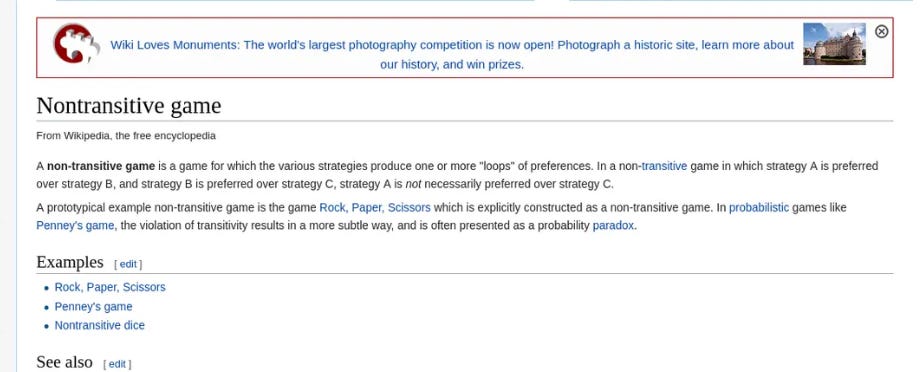
this feels relevant to strategy somehow
////
WEEKLY MONSTER
Technical drawings are a monster in my mind. Why are they so hard??
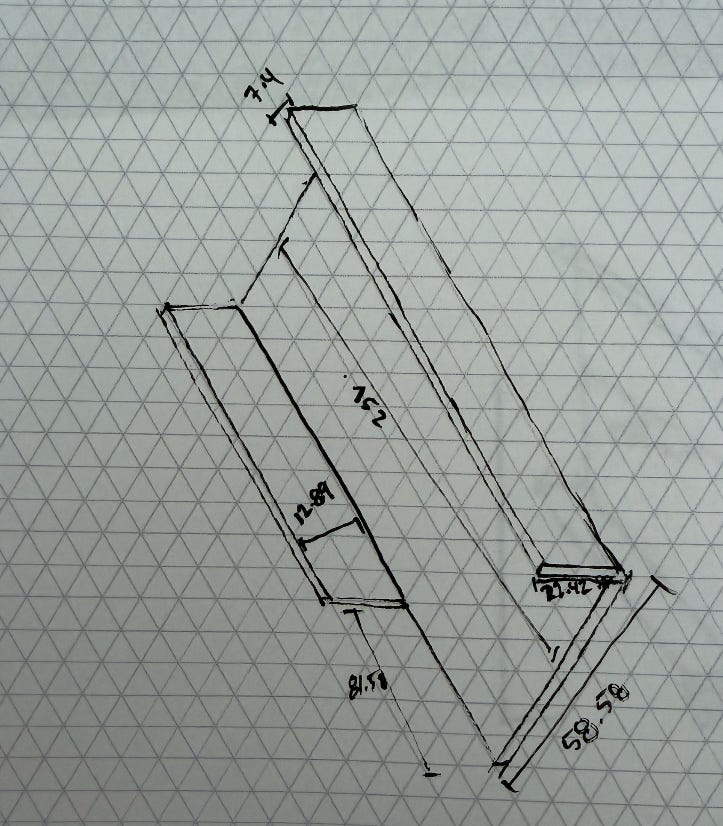
there is also an interesting little stratscrap bit to be written about concept drawings vs technical drawings. but my schematics vs diagrams may have covered off on that point?